Elevating Your Knowledge in Sports Broadcasting: Insights and Strategies
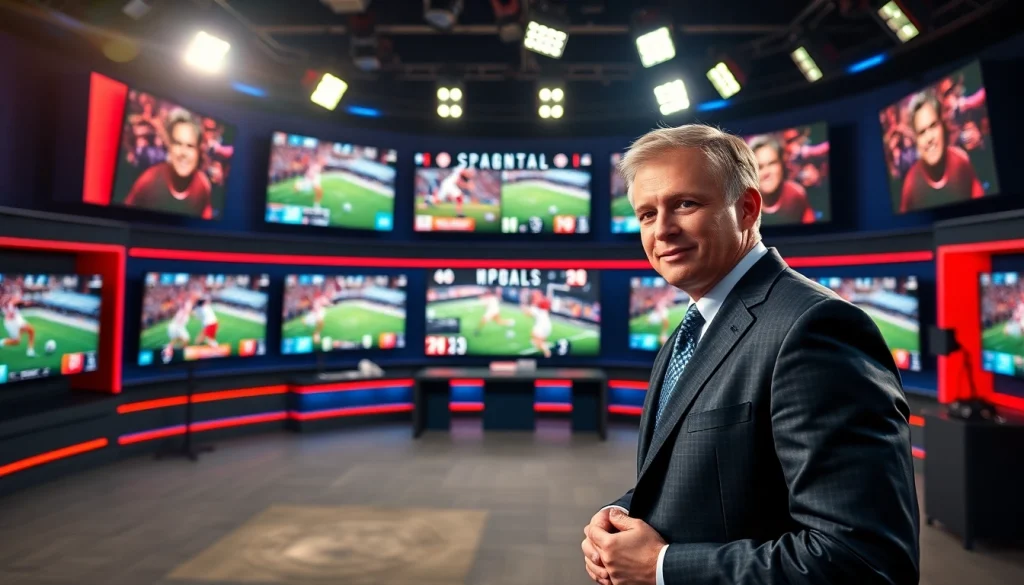
Understanding Sports Broadcasting
Sports broadcasting intertwines entertainment, information, and technology, offering audiences access to their favorite events. As the industry evolves, so does its significance in modern media. The intricate relationship between sports and broadcasting facilitates greater engagement, helping to connect fans with real-time action across various platforms. Through Sports Broadcasting, stakeholders can explore innovative techniques and technologies that enhance viewer experience and keep pace with viewers’ expectations.
The Role of Sports Broadcasting in Media
Sports broadcasting plays an essential role in the media landscape by delivering live coverage, analysis, and commentary that enrich fans’ experiences. It drives viewership and advertising revenue, serving as a crucial element of many networks’ content strategies. With every game, audience engagement intensifies, prompting broadcasters to develop captivating narratives around sports figures, team dynamics, and pivotal moments. These elements not only attract audiences but also create a community united by a shared passion.
Innovation in Sports Broadcasting Techniques
Innovation is the lifeblood of sports broadcasting. The advent of high-definition transmission, immersive audio technologies, and interactive apps has redefined viewer engagement. Broadcasters now employ augmented and virtual reality to create immersive viewing experiences that bring fans closer than ever to the action. From enhanced graphics during live games to personalized viewing experiences through streaming platforms, innovation continues to disrupt traditional models, fostering deeper connections with audiences.
Key Technologies in Sports Broadcasting
Emerging technologies such as artificial intelligence, machine learning, and 5G networking are reshaping the sports broadcasting landscape. AI-driven analytics are being adopted to provide real-time statistics, enhancing commentary and enriching fans’ understanding of the game. Simultaneously, 5G technology enables higher-quality streaming without lag, allowing audiences to view games in stunning clarity on their devices. These technological advancements revolutionize how sports content is produced, distributed, and consumed, ensuring a continuously evolving viewer experience.
Types of Sports Broadcasting
Live Sports Broadcasting Explained
Live sports broadcasting is the backbone of the industry, offering real-time coverage of events that captivates audiences worldwide. With viewers seeking immediacy, enhancements like live commentary, statistics, and social media integration are now standard. This approach creates an interactive atmosphere, encouraging fan participation through real-time discussions and commentary. By harnessing broadcasting rights, networks can optimize their content strategies around live events, drawing larger audiences and higher advertising revenues.
Radio vs. Television Sports Broadcasting
Radio and television sports broadcasting offer distinct experiences. Radio broadcasting relies on descriptive language and sound to convey the excitement of the game, making it highly accessible. In contrast, television enhances this experience with visuals, detailed graphics, and video replays, enriching viewer engagement. Both mediums have their advantages; radio caters to audiences on the go, while television reaches viewers desiring a more comprehensive visual experience. Understanding audience preferences assists networks in tailoring their content delivery.
Emerging Platforms for Sports Broadcasting
Emerging platforms such as digital streaming services and social media channels are significant players in the sports broadcasting arena. These platforms democratize access to sports content, allowing fans to consume live events on their terms. Services like streaming apps and websites facilitate flexible viewing experiences, from watching highlights to engaging in virtual fan communities. Networks increasingly collaborate with these platforms to tap into broader viewership demographics while also adhering to changing consumer habits driven by technology.
Best Practices for Sports Broadcasting
Creating Engaging Content for Viewers
Engaging content is critical for retaining viewer interest in sports broadcasting. Broadcasters should focus on storytelling that highlights the human elements of sports, like athletes’ triumphs, rivalries, and challenges. Utilizing a mix of live coverage, analytics, and behind-the-scenes insights fosters a well-rounded experience. Engaging visuals, sound bites, and interactive elements like polls and social media integration amplify audience participation, making viewers feel part of the narrative.
Maintaining Professionalism in Sports Broadcasting
Professionalism underpins credibility in sports broadcasting. Strict adherence to ethical reporting standards ensures that broadcasts remain trustworthy sources of information. Practitioners must possess a deep knowledge of the sport, develop strong communication skills, and maintain a neutral perspective when reporting on controversies. Consistent professionalism not only enhances the broadcaster’s reputation but also builds trust with the audience, fostering long-term viewer loyalty.
Leveraging Social Media in Sports Broadcasting
Social media serves as a powerful tool in sports broadcasting. It offers platforms for broadcasters to connect directly with audiences, share instant updates, and create discussions around events. Engaging behind-the-scenes clips, athlete interviews, and live commentary on social media enhances audience interaction and fosters a vibrant community. By leveraging these platforms, broadcasters can address audience queries, gather insights, and provide content tailored to viewer preferences, thereby enhancing their overall experience.
Metrics for Success in Sports Broadcasting
Analyzing Viewer Engagement
Viewer engagement metrics, such as watch time, peak viewership, and audience interaction, are crucial indicators of success in sports broadcasting. It’s essential for networks to employ analytics tools to gauge audience behavior in real-time, allowing them to adjust strategies dynamically. Identifying patterns in viewer preferences, such as favorable times for viewing or popular game types, enables broadcasters to tailor content that maximizes engagement and builds loyalty.
Understanding Advertiser Interest
Understanding advertiser interest is vital for monetizing sports broadcasting. Metrics like audience demographics, engagement rates, and brand recall are key in showcasing value to potential sponsors. By analyzing these factors, broadcasters can design targeted advertising packages that resonate with specific audiences. Developing relationships with advertisers based on transparent analytics fosters long-term partnerships and creates win-win situations for both parties involved.
Evaluating Broadcast Reach
Evaluating broadcast reach allows networks to measure their impact effectively. Key performance indicators (KPIs) include total viewership, geographic distribution, and platform performance. By employing survey tools and audience feedback mechanisms, broadcasters can craft more focused content strategies. Understanding how reach correlates with viewer engagement and advertiser interest enables networks to adapt their approaches, tailoring strategies that resonate with diverse audience segments.
The Future of Sports Broadcasting
Trends Shaping Sports Broadcasting
The sports broadcasting landscape is undergoing dramatic changes influenced by several trends. Hyper-personalization, where content is tailored to individual preferences, is on the rise, enabled by advanced data analytics. Additionally, the growth of eSports is creating new avenues for broadcasting, attracting younger audiences. Innovative delivery methods, such as holograms and VR experiences, are also reshaping fan engagement, pushing the boundaries of what traditional broadcasting can offer.
Impact of Streaming Services on Sports Broadcasting
Streaming services have transformed sports broadcasting by offering on-demand access to live events. The shift from traditional cable to streaming platforms allows viewers to tailor their viewing experiences. Partnerships between sports leagues and streaming outlets are becoming increasingly common, offering exclusive content and creating new revenue streams. This trend towards digital consumption is reshaping how audiences interact with sports programming, making it imperative for traditional broadcasters to adapt to keep pace.
Challenges Facing the Sports Broadcasting Industry
The sports broadcasting industry faces numerous challenges, including intense competition for audience attention and the necessity to innovate continually. Navigating copyright issues and managing broadcasting rights can be complex, especially with the rise of global online platforms. Moreover, maintaining viewer loyalty in a landscape flooded with options requires constant creativity and responsiveness. As such, broadcasters must be agile in adopting new technologies and strategies to stay relevant and meet viewer expectations.
Frequently Asked Questions
What is sports broadcasting?
Sports broadcasting refers to the live transmission of sporting events through various media such as television, radio, and digital streaming platforms. It encompasses commentary, analysis, and discussion related to sports.
How has technology changed sports broadcasting?
Technology has greatly enhanced sports broadcasting by introducing advanced cameras, real-time analytics, augmented reality, and high-definition streaming, which improve the overall viewer experience.
Why is viewer engagement important in sports broadcasting?
Viewer engagement is crucial as it influences advertising revenue, builds community around sports, and reflects the popularity of broadcasting content, driving networks to refine their offerings.
What are the benefits of live sports broadcasting?
Live sports broadcasting provides audiences with real-time access to events, fosters immediate interaction, and enhances the excitement and emotional engagement associated with watching sports.
What are some best practices for sports broadcasting content?
Best practices include focusing on storytelling, maintaining professionalism and ethical standards, and leveraging social media to enhance audience interaction and engagement with the content.